
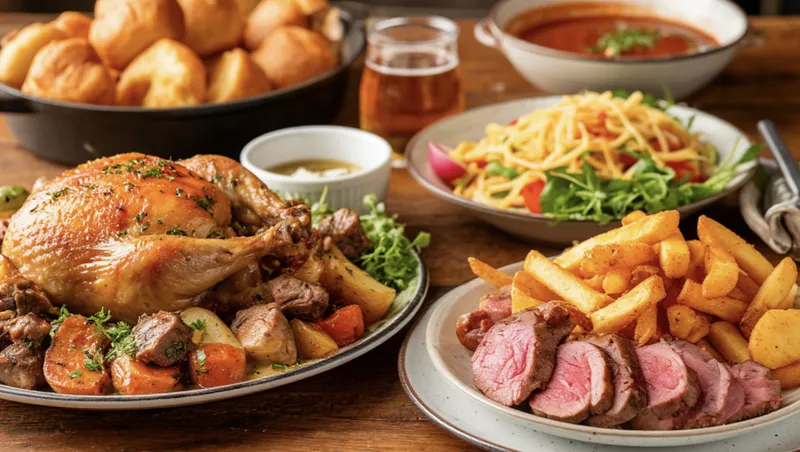
Dutch cuisine is primarily based on hearty and practical foods, especially those resilient against harsh winters. The country’s strong agricultural and maritime history forms the foundation of its cuisine. Spices and tropical flavors, however, are inherited from former colonies (especially Indonesia).
In this article, we examine the Netherlands’ most traditional winter dish, the famous dessert of New Year’s celebrations, and the boldest, freshest street food delicacy of the streets.
Here is the Netherlands’ gourmet trio: Oliebollen, Stamppot, and Haring.
1. Winter Comfort of the Main Dish: Stamppot
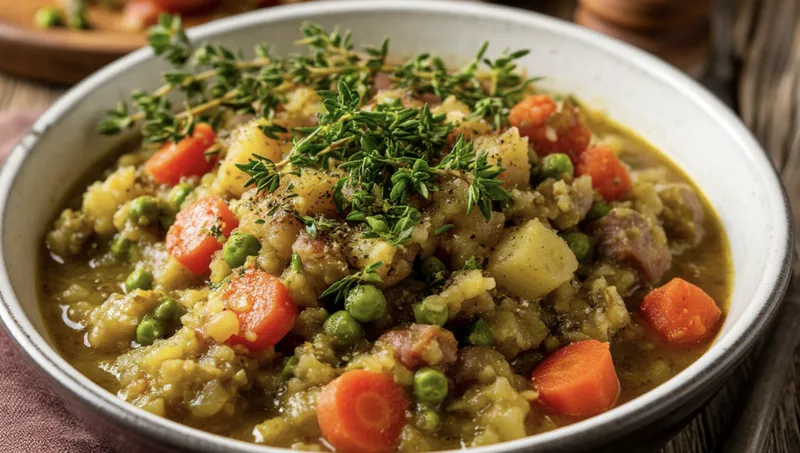
Stamppot, meaning “mash pot,” is the most traditional and popular winter main course in the Netherlands. It is known for its simplicity and filling nature.
- What is it? It is made by mixing mashed potatoes with mashed winter vegetables like kale, carrots, or onions. The most popular variety is Boerenkool Stamppot (Kale mash), served with thick-cut smoked sausage (rookworst).
- How is it Eaten? A well is created in the center of the plate, and this well is filled with sausage juice or gravy and eaten alongside the sausage.
- Why a Main Dish? Its high carbohydrate and fat content makes this dish an excellent protector against the harsh North Sea climate and represents the Netherlands’ rural/farm kitchen.
2. The Celebration of Desserts: Oliebollen
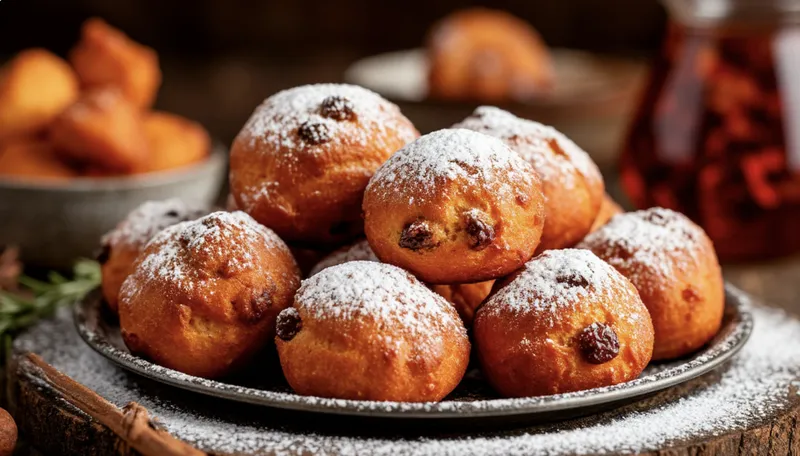
Oliebollen (Oil Balls) is the dessert most associated with New Year’s celebrations in the Netherlands. They are served warm during cold winter days and bought from street stalls.
- What is it? Spherical dough pastries prepared from yeast-leavened batter, sometimes with raisins or currants added, and deep-fried. They are considered the ancestor of what Americans call the “donut.”
- The Trick: Oliebollen must be eaten fresh and warm. They are generously dusted with powdered sugar when served.
- History: Its origin dates back to the 15th century and is based on an old Germanic tradition where fried dough was eaten during the New Year period to ward off evil spirits.
3. The Boldness of the Streets: Haring (Raw Herring)
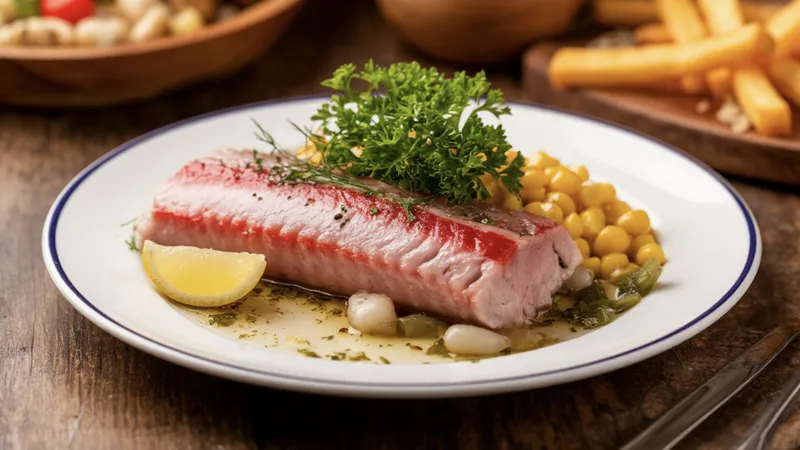
Haring (Dutch-style Herring) is the Netherlands’ most iconic, boldest, and undisputed street food.
- What is it? Fresh herring that has been lightly fermented (salted, not truly raw) in brine. The fish is often at its tastiest during the Nieuwe Haring (New Herring) season, typically between May and July.
- How is it Consumed? Traditionally, the fish is served with small, chopped onions and pickles. The most famous way to eat it is by holding the fish by the tail and lowering it whole into the mouth with the head tilted back. It can also be eaten in a sandwich (Broodje Haring).
- The Flavor Experience: It is very easy to find a Haringkraam (herring stall) in the Netherlands, and this delicacy represents the country’s commitment to seafood in its purest form.
Leave a Comment