Germany is known for its engineering quality, which is synonymous with the “Made in Germany” label, its automotive giants, and its global leadership in the chemical and pharmaceutical sectors. The largest companies in this country, which forms the economic backbone of Europe, determine not only the national economy but also global trade and industrial standards. The list of Germany’s largest 100 companies serves as a guide reflecting the country’s economic discipline, export power, and innovation capacity.
In this article, we will put Germany’s most valuable and highest-turnover companies under the microscope; we will analyze the criteria for the list, its dominant sectoral distribution, and their roles in the global competitive environment.
Criteria for Size and the Structure of the German Economy
The most common criteria for determining company size in Germany, as in global lists, are market capitalization (for listed companies) and annual turnover. Company size in Germany generally reflects the strength of traditional industrial sectors. The country’s flagship index, the DAX 40 list, includes the 40 most valuable companies and forms the basis of this article.
A distinctive feature of the German economy is the presence of powerful SMEs, known as “Hidden Champions,” which lead in global niche markets, alongside large international holdings. However, in this article, we will focus on the giants recognized in the global market and those with the largest volume. These companies play a key role in maintaining the country’s high employment levels and technological supremacy.
Sectoral Distribution and Engineering Power
An examination of the list of Germany’s largest 100 companies clearly shows which sectors the country’s core economic power is based upon:
- Automotive Industry: This is the most distinct and powerful sector on the list. Giants like Volkswagen, Mercedes-Benz (formerly Daimler), and BMW rank at the top in terms of both turnover and export volume. These companies are making significant investments in the transition to electric vehicles and autonomous driving technologies.
- Chemicals and Pharmaceuticals: Germany is home to globally recognized giants like BASF (Chemicals) and Bayer (Pharmaceuticals/Life Sciences). This sector provides significant added value to the list through high R&D investments and an innovation-focused structure.
- Technology and Software: Enterprise software giants like SAP represent the technology arm of the list. While technology companies in Germany do not reach the same high market valuations as their US counterparts, they are global leaders in industrial solutions and B2B software.
- Finance and Insurance: Financial and insurance giants like Allianz and Munich Re (Münchener Rück) form the financial strength of the list with their stable structures and international operations.
Key Players at the Top of the List (Top 20)
The table below presents selected key players from the largest and most influential top 20 companies in Germany by market capitalization and turnover. These companies represent the global competitiveness of German industry:
| Rank (Approximate) | Company Name | Location (Headquarters) | Sector | Core Business |
| 1 | SAP SE | Walldorf | Technology / Software | Enterprise Software, ERP, and Cloud Solutions |
| 2 | Volkswagen Group | Wolfsburg | Automotive | Automobiles, Trucks, and Financial Services |
| 3 | Siemens AG | Munich | Industrial Technology | Automation, Digitalization, Smart Infrastructure |
| 4 | Allianz SE | Munich | Finance / Insurance | Insurance, Asset Management, and Financial Services |
| 5 | Mercedes-Benz Group | Stuttgart | Automotive | Luxury Automobile and Van Manufacturing |
| 6 | BMW | Munich | Automotive | Luxury Automobile and Motorcycle Manufacturing |
| 7 | BASF SE | Ludwigshafen | Chemicals | Chemical Products and Plastics |
| 8 | Bayer AG | Leverkusen | Pharmaceuticals / Life Sciences | Pharmaceuticals, Consumer Health, and Agriculture |
| 9 | Infineon Technologies | Munich | Semiconductors | Power Chips and Semiconductor Solutions |
| 10 | Deutsche Telekom | Bonn | Telecommunications | Fixed and Mobile Network Services (T-Mobile) |
| 11 | E.ON SE | Essen | Energy | Electricity and Gas Distribution, Renewable Energy |
| 12 | Adidas | Herzogenaurach | Consumer Products | Sportswear and Footwear |
| 13 | Merck KGaA | Darmstadt | Pharmaceuticals / Chemicals | Pharmaceuticals, Life Sciences, and Performance Materials |
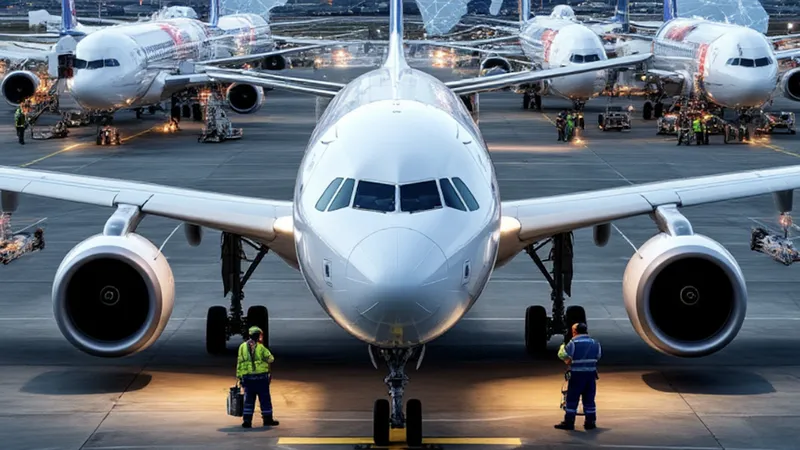
| 14 | Airbus | Leiden (NL) / Toulouse (FR) | Aerospace/Defense | Commercial Aircraft and Defense Systems (High German share) |
| 15 | Porsche AG | Stuttgart | Automotive | Luxury Sports Car Manufacturing |
| 16 | Deutsche Post DHL Group | Bonn | Logistics | Postal and Global Logistics Services |
| 17 | Munich Re (Münchener Rück) | Munich | Insurance | Reinsurance Services |
| 18 | Vonovia | Bochum | Real Estate | Residential and Commercial Real Estate Management |
| 19 | Fresenius SE | Bad Homburg | Healthcare | Medical Products and Healthcare Services |
| 20 | Continental | Hannover | Automotive/Sub-Industry | Tires and Automotive Technologies |
Conclusion and Future Outlook
The largest 100 companies in Germany maintain their leadership in the European economy through a resilient industrial structure, high R&D expenditure, and strong export performance. However, to stay ahead in global competition, these traditional giants need to take significant steps in digitalization and sustainability.
Specifically, the automotive sector’s transition to electric mobility and the growth of technology companies other than SAP will be key to future changes on the list. These major German companies will continue to adapt to global shifts, preserving the reputation and strength of the “Made in Germany” brand.

Leave a Comment